Where the Current Settles
Most of the Huron River's passage through Ypsilanti announces itself. The Cross Street Bridge carries you between the two personalities of the city — brick commercial east, tower-topped west — and Frog Island sits in the current like a comma between those two banks. But Forest Avenue Bridge is something else: the quiet end, where the river finishes its work through downtown and begins to breathe out.
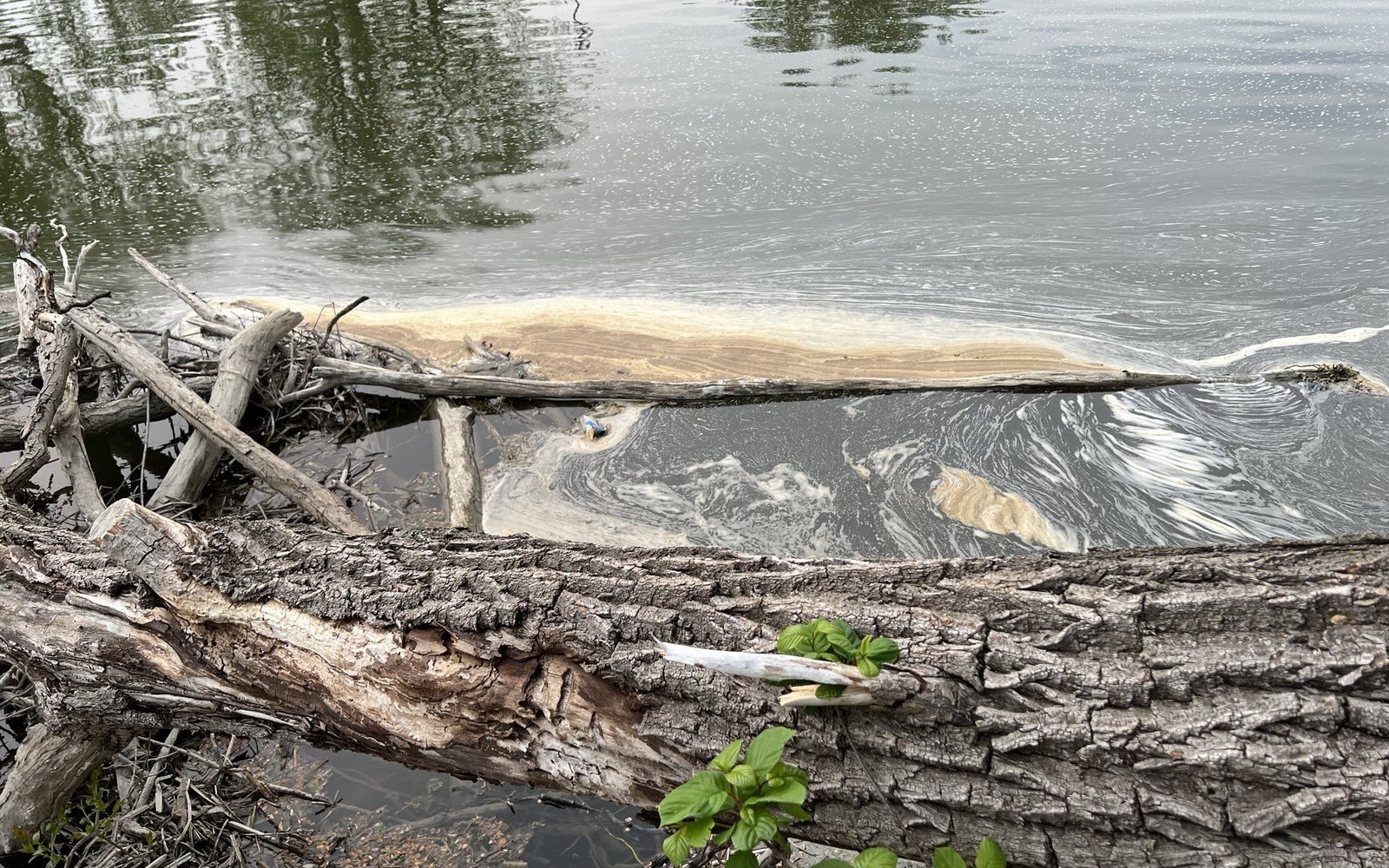
The dam that once served the old paper mill sits upstream, and its effect is felt here. The water that reaches Forest Avenue has already given up its urgency. In summer the surface holds a particular stillness, broken by current rather than by drama — a wide, unhurried reach that feels more like a lake margin than a river in motion. Herons work the shallows. Willows and silver maples lean toward each other across the water. The industrial city that built itself along this river retreats, and what remains is almost rural.
The bridge itself is modest by design — a concrete span without the architectural ambition of the crossings nearer Depot Town. It carries residential traffic, not commerce. Forest Avenue at this point is a neighbourhood street, lined with frame houses and mature trees, and the bridge suits that register exactly. You cross it without ceremony. That lack of ceremony is the point.
The Mill End of Things
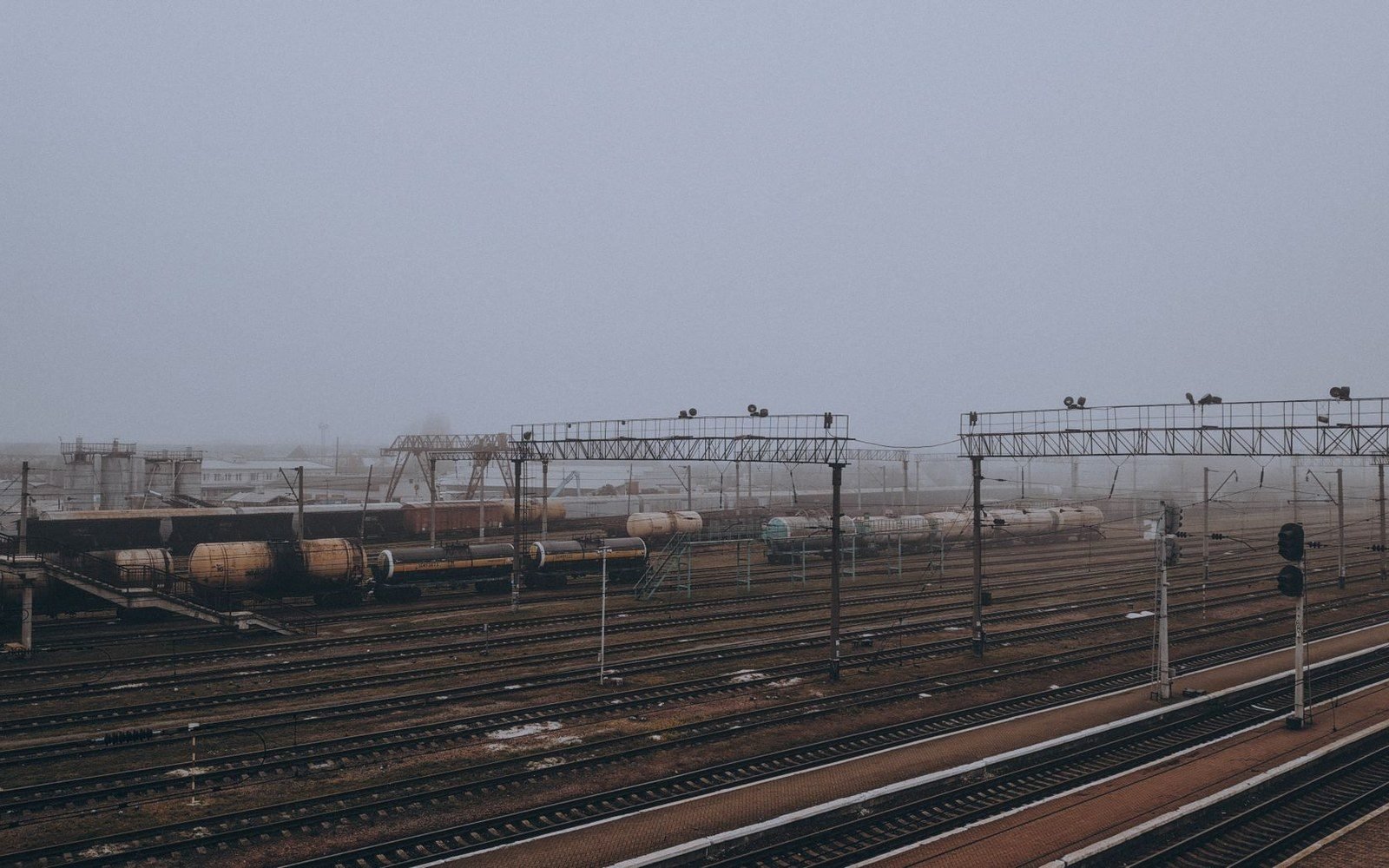
The paper mill that once operated upstream was part of the broader pattern of Ypsilanti's industrial relationship with the Huron — the river as power source first, landscape second. That order has long since reversed. Riverside Park occupies the west bank not far to the north, and the whole corridor has shifted from extraction to amenity over the decades since the last working mill fell quiet.
From mid-span on a clear morning, looking upstream toward the low white noise of the dam, you get one of the better unphotographed views in the city. The water is dark with tannins, moving just fast enough to catch light at the riffles. The far bank is green in a way that Michigan Avenue and the brick streets of Depot Town never quite are. The city is present but held at a distance.
That distance is what Forest Avenue Bridge offers that no other Ypsilanti crossing does: the sensation of having walked slightly past the city, to the place where it lets the river be a river again. Nobody performs for it here. It simply runs.
A short stop, deliberately. It sits on the river walk — the long version of the route is The Huron Runs Through the Middle of It.
Keep reading