Before the Car Made the City
Ypsilanti's automotive identity is so thoroughly settled that it's easy to forget the city had already mastered the problem of moving people before a single vehicle rolled off a local line. For roughly half a century straddling 1900, two overlapping networks — steam rail and electric interurban — stitched Ypsilanti to Detroit, Ann Arbor, and the wider web of southeastern Michigan with a density of service the private automobile would only displace, never quite improve on.
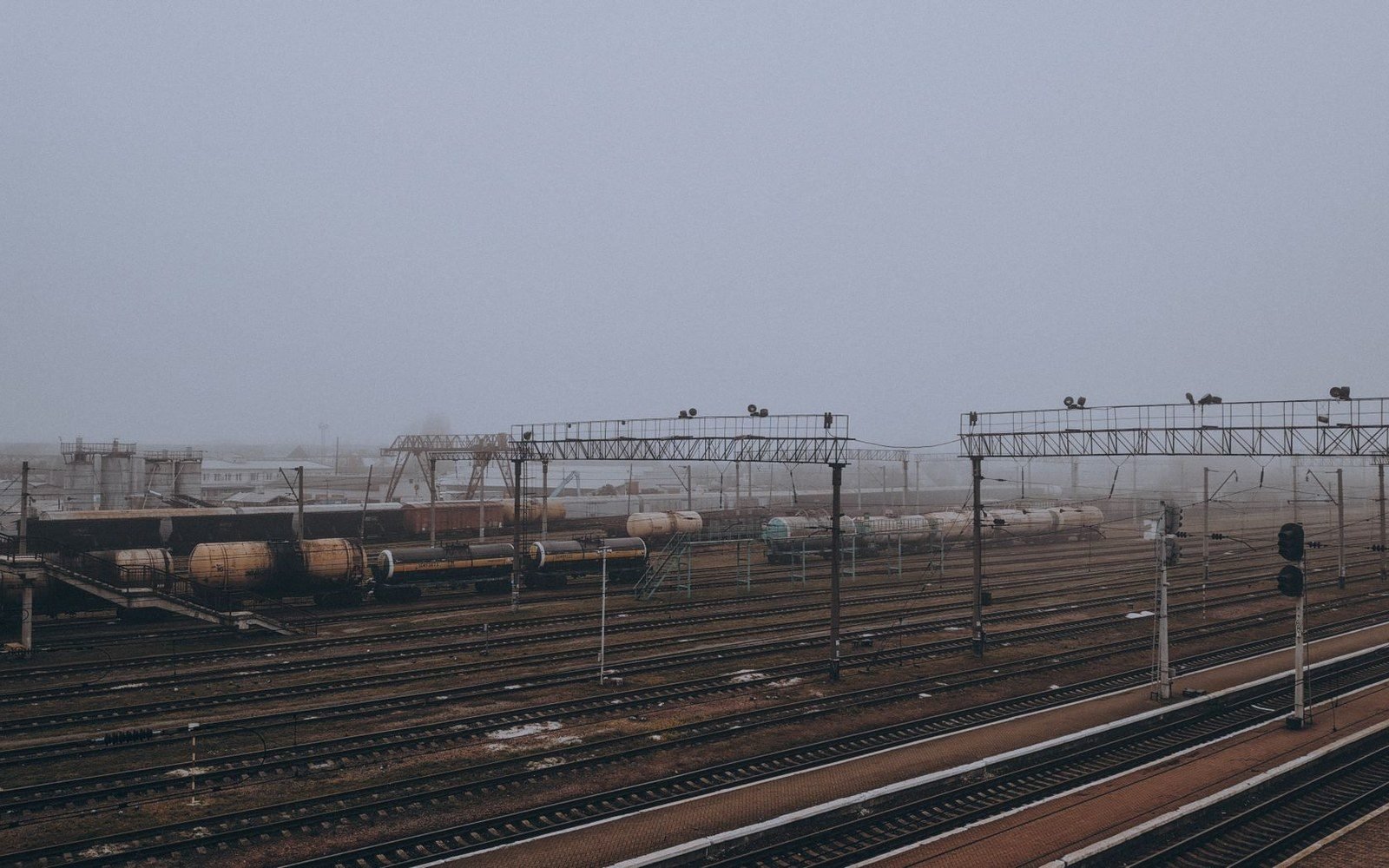
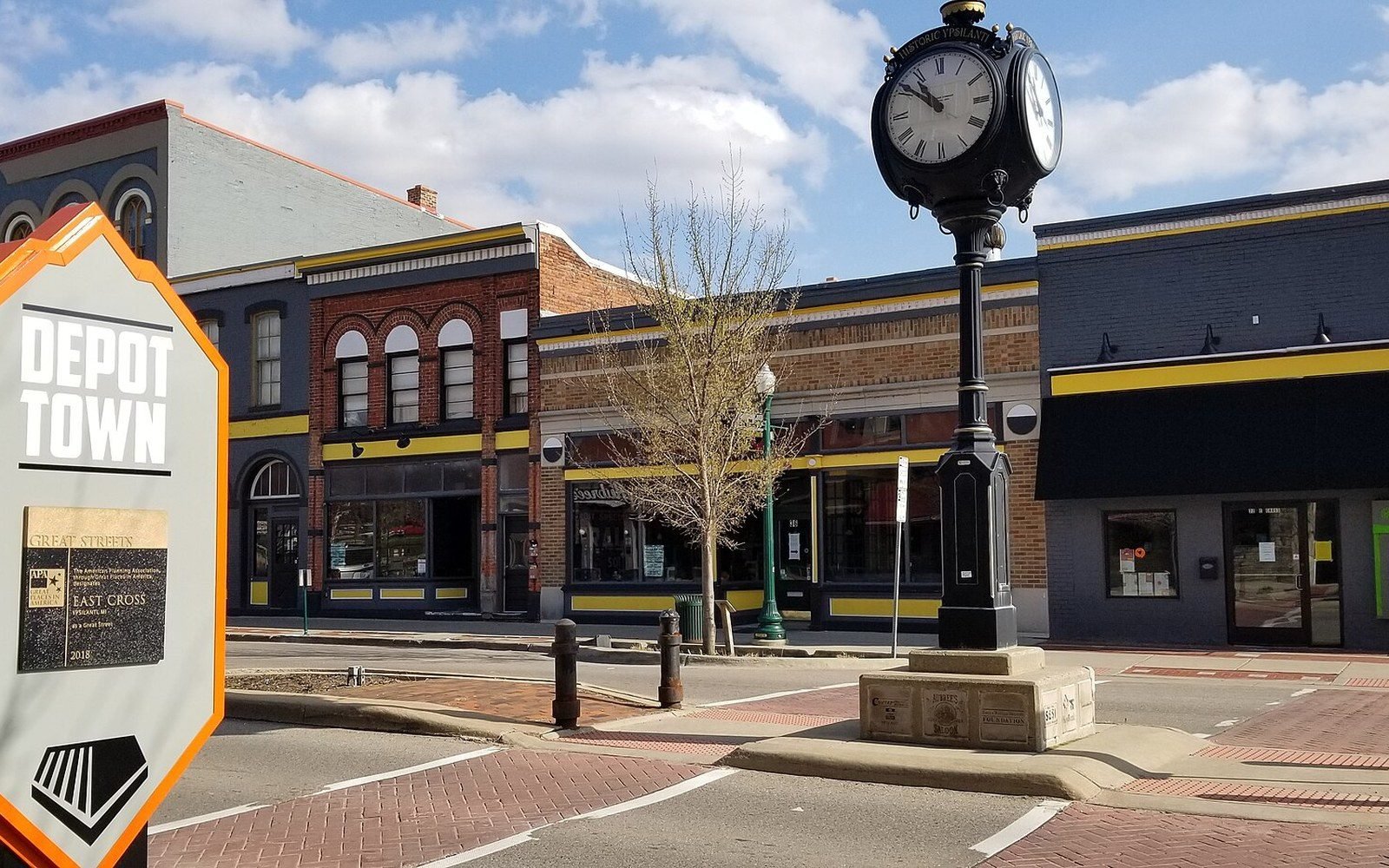
The Michigan Central Railroad arrived in the 1830s, making Ypsilanti one of the earliest rail stops in the state. Depot Town — the cluster of brick commercial buildings along the river near the old station site — exists because of that connection. Freight and passengers required warehousing, hotels, taverns, and outfitters, and the built fabric that survives there today is the direct residue of that rail economy. The brick and the corbelling on those frontages record exactly how much money moved through a small city with a reliable rail stop.
The interurban came later and served a different appetite. Where the steam railroad moved goods and long-distance travelers, the electric interurban moved everyone else — workers, shoppers, students, anyone making the kind of short, repeated journey that a steam schedule couldn't accommodate. Michigan built one of the densest interurban networks in the country, and Ypsilanti sat near the center of it. Cars ran frequently between Ypsilanti and Detroit to the east and Ann Arbor to the west, threading Michigan Avenue and running on dedicated right-of-way where traffic allowed. The fare was cheap, the frequency was real, and for a working household without a horse, the interurban was simply how the city connected to everything beyond walking distance.
What killed it was what Ypsilanti helped build. The rise of automobile ownership — gradual through the 1910s and 1920s, then sudden — eroded the interurban's rider base trip by trip. By the early 1930s, most of the Michigan lines had folded, their track pulled up and their cars scrapped or sold. The infrastructure vanished so completely that it takes deliberate attention to read it back into the streetscape now. The broad shoulders of Michigan Avenue hint at it; so does the logic of certain intersections that seem slightly oversized for what's there today.
The great irony is structural. Ypsilanti built a reputation on the internal-combustion economy that replaced the interurban, yet the plants that made that possible — including the vast operation at Willow Run — depended early on rail and road links that the interurban age had already established. The car didn't begin from nothing. It inherited a city already organized around movement.
A short stop, deliberately. It belongs to Built in Ypsilanti, where the longer pieces are.
Keep reading