The logic behind what survives
A small museum's collection is not a survey. It does not aim to represent everything; it keeps what it can argue for, what someone pressed through the door before it was lost, what local industry made peculiar enough to be worth preserving anywhere at all.
The Ypsilanti Automotive Heritage Museum sits in a former car dealership on Rice Street, and the building is part of the argument. The marques it houses — Hudson, Kaiser-Frazer, the cars that disappeared when their makers merged or folded — are not here because they were the most successful. They are here because Southeast Michigan built them, with Kaiser-Frazer's cars coming from Willow Run, and because without a room like this they would exist only in photographs and production records.
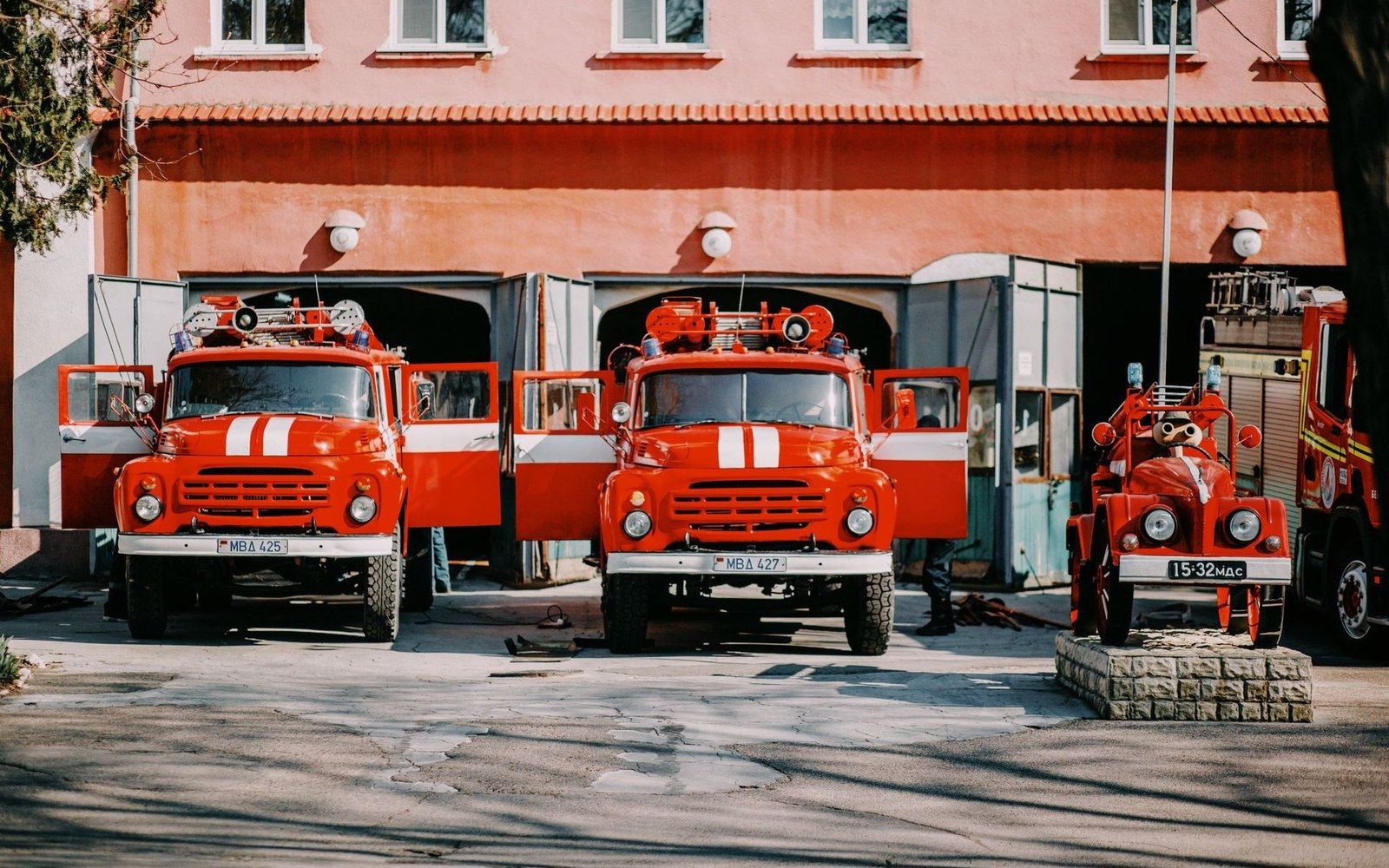
That is the real work of a small collection: it holds the specific against the general. National museums tell the story of the industry; a local one tells the story of this plant, this workforce, this particular run of the line. The Michigan Firehouse Museum, a few blocks away, does the same thing for municipal life — apparatus preserved not as curiosity but as evidence of how the city organized itself against catastrophe.
Neither museum is arguing that Ypsilanti was the center of anything. They are arguing that the center is not the only place where things happened, and that the objects made or used here carry a kind of information that no text panel can fully replace. A production car on a factory floor is anonymous; the same car in a room full of local context becomes a document.
Collections like these are maintained under constant pressure — of space, of cost, of the question asked of everything donated: does this belong here specifically, or just somewhere? The rigorous answer to that question is what gives a small museum its shape. What it holds, it holds deliberately. What it turns away is as defining as what it keeps.
A short stop, deliberately. It belongs to Museums & Collections, where the longer pieces are.
Keep reading