The Old Chicago Road
Michigan Avenue didn't begin as a commercial strip — it began as a territorial road, platted through the wilderness in the early nineteenth century to link Detroit with Chicago along a route that followed older Native trails. By the time Ypsilanti incorporated, the road was already the spine of the settlement, and everything that mattered arranged itself along or just off it.
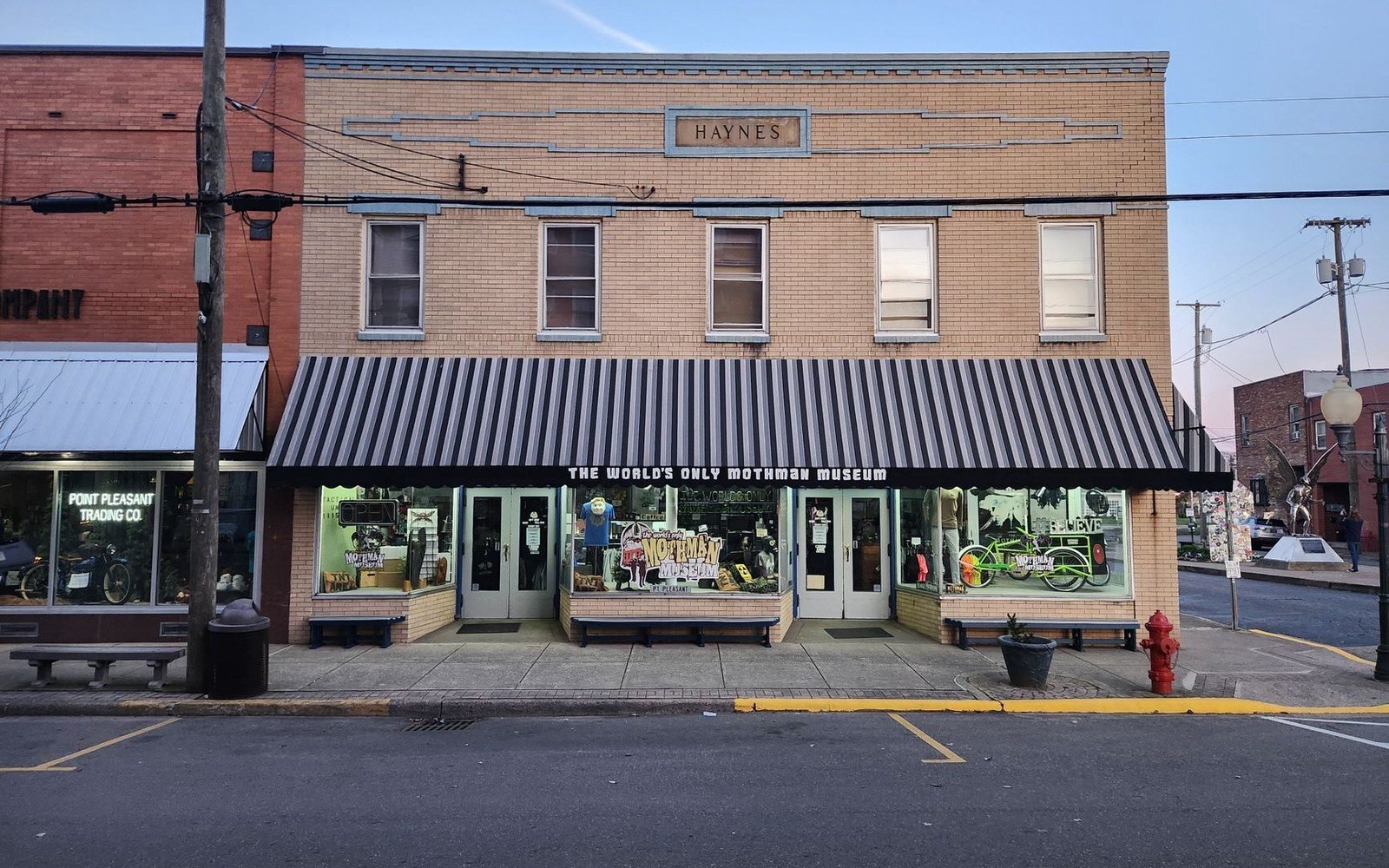
What you walk today is that same alignment. The grade doesn't shift; the right-of-way hasn't moved. The storefronts that face the avenue — brick two- and three-story blocks, segmental arches over the windows, corbelled cornices stepping out at the roofline — were built to catch traffic that was moving through, not staying long. Some of it did stay, of course, and those buildings are still here.
At dusk the light hits the west-facing fronts directly, and the brick reads as something close to terracotta. The signage gets garish and the traffic thickens, and for a moment the avenue looks genuinely urban in the way it hasn't quite managed all day. The mix is honest: barbershops beside insurance offices beside restaurants that have been open twenty years and restaurants that opened last month. Nothing is curated. That's the point.
Depot Town sits just to the north, at the river, where the commercial energy concentrates into a tighter block or two. But Michigan Avenue proper is longer and looser — it runs out past the EMU campus, past the cross street bridge where the brick neighbourhood starts to thin, and keeps going until it becomes something else entirely, a different kind of road in a different kind of place.
The avenue has been bypassed, widened, and argued over for decades. It survives because roads this old carry a kind of institutional memory — every building on it is an argument that someone, at some point, thought the traffic would last.

A short stop, deliberately. It belongs to Landmarks, where the longer pieces are.
Keep reading